

When it comes to "Carpet Shops Plymouth," DRW Flooring stands out as the ideal choice for quality carpets. Our commitment to providing top-notch flooring options extends to our extensive carpet collection. We understand that selecting the right carpet is essential for enhancing the beauty and comfort of your home.
Whether you prefer plush and luxurious carpets or more budget-friendly options, we have the perfect choice to meet your needs.
Get Started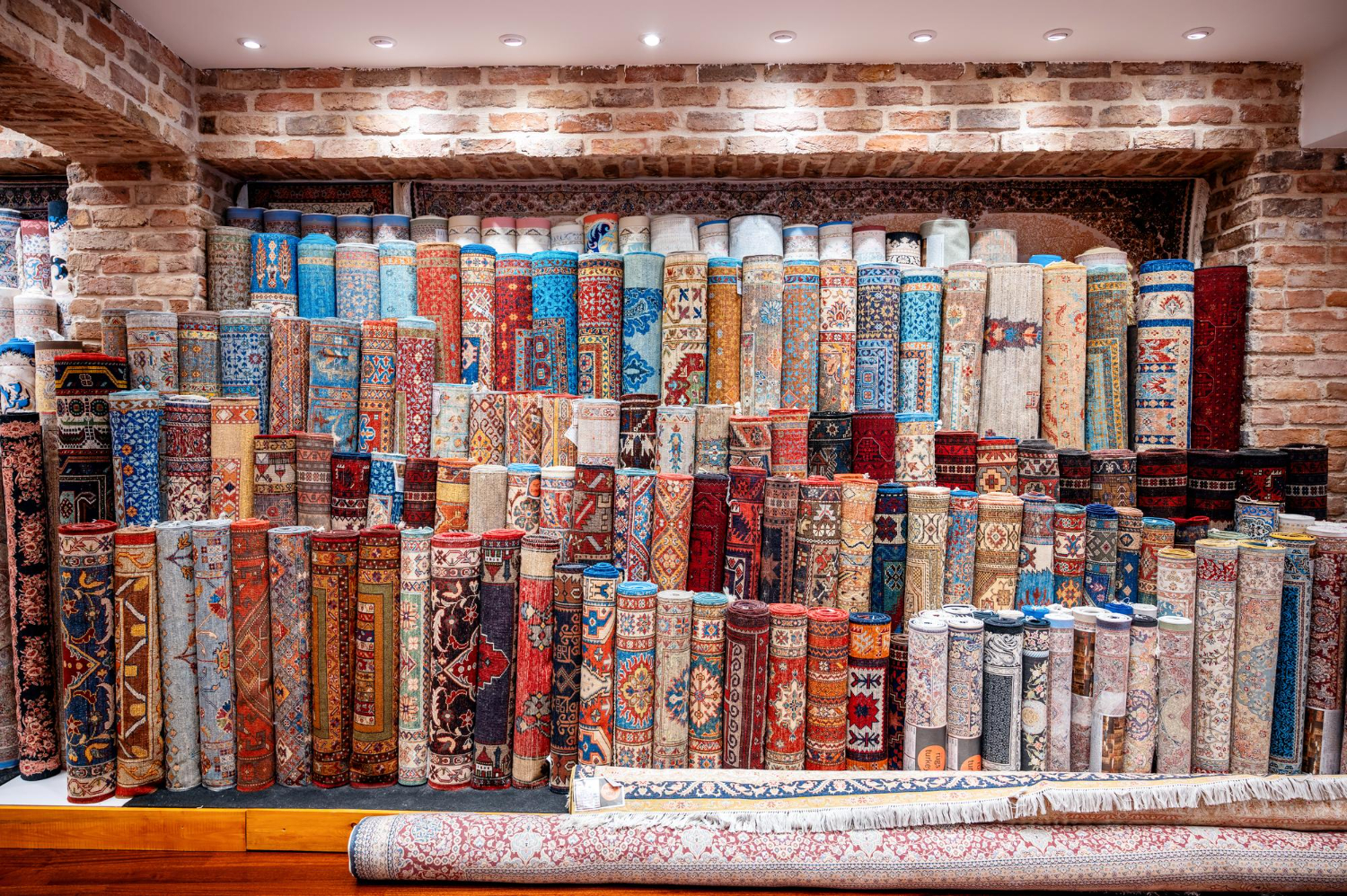

As you search for "Carpet Stores Plymouth," DRW Flooring is your one-stop shop for a variety of carpet designs and materials. We take pride in our diverse collection, ensuring that you can find the perfect carpet that complements your décor and style
Our team of experts is ready to guide you through the selection process, helping you make the best choice for your home.
Get StartedIn Plymouth, if you're looking for "Carpets Plymouth," DRW Flooring offers a wide range of options, including carpets with varying textures, colors, and patterns.
Our carpets not only add aesthetic appeal to your space but also provide comfort and durability. Transform your home with our high-quality carpets.
Get Started

For budget-conscious customers searching for "Cheap Carpet Plymouth," DRW Flooring has you covered. Our affordable carpet options are designed to provide excellent value without compromising on quality. You can enjoy the comfort and style of our carpets while staying within your budget.
Explore our selection of cheap carpets and transform your space without breaking the bank. Our commitment to providing a diverse range of carpet options ensures that you find the perfect flooring solution for your home in Plymouth. Visit our showroom to explore our extensive collection and receive expert guidance in choosing the carpet that best suits your preferences.
Get StartedCommercial flooring refers to floor coverings specifically designed for use in commercial settings such as offices, retail spaces, hospitals, and schools.
Popular types of commercial flooring include carpet tiles, vinyl flooring, laminate flooring, hardwood flooring, ceramic tiles, and concrete.
Consider factors such as durability, maintenance requirements, style, budget, and the specific needs of your business when choosing commercial flooring.
Carpet tiles are easy to install, replace, and maintain. They provide sound insulation, comfort, and come in a wide range of designs.
Yes, vinyl flooring is a popular choice for commercial spaces due to its durability, low maintenance requirements, water resistance, and versatility in design options.
Yes, hardwood flooring can be used in commercial settings. However, it may require more maintenance and be prone to scratches and wear in high-traffic areas.
In some cases, it may be possible to install commercial flooring over existing flooring. However, it depends on the condition of the existing flooring and the type of commercial flooring being installed.
Proper flooring installation is crucial as it ensures the longevity, functionality, and appearance of the commercial flooring. Professional installation is recommended.
The lifespan of commercial flooring varies depending on the type of flooring, quality, maintenance, and foot traffic. On average, commercial flooring can last between 10 to 20 years.
Yes, many commercial flooring options offer customization options such as color, patterns, and company logos to align with a business's branding.
Ceramic tiles are highly durable, water-resistant, and easy to clean. They are also available in various styles and colors, making them suitable for commercial settings.
Underlayment is often recommended as it provides additional cushioning, insulation, and noise reduction. It can also help to prolong the lifespan of the flooring.
Regular cleaning, using appropriate cleaning products, promptly addressing spills or damages, and following the manufacturer's maintenance guidelines are essential for maintaining commercial flooring.
Depending on the type and extent of the damage, commercial flooring can often be repaired. It is recommended to consult a professional for proper assessment and repairs.
The cost of commercial flooring installation varies depending on factors such as the type of flooring, square footage, subfloor preparation, and any customization. It is best to obtain quotes from flooring professionals.
Yes, there are eco-friendly commercial flooring options available, such as bamboo flooring, recycled carpet tiles, and reclaimed wood flooring.
Yes, in many cases, commercial flooring can be installed in stages or sections to minimize disruption to the business operations. This approach is often used in larger spaces or phased renovation projects.
A professional flooring contractor plays a crucial role in commercial flooring installation. They have the expertise, tools, and experience to properly prepare the subfloor, install the flooring accurately, and ensure a durable and high-quality result.
The time required for commercial flooring installation varies depending on factors such as the size of the space, the type of flooring, and the complexity of the installation. It is best to consult with the flooring contractor for a specific timeline.
Yes, there may be specific regulations or codes that govern commercial flooring installations, especially in areas such as healthcare or food service. It is important to consult with professionals who are knowledgeable about these requirements.
Yes, there are commercial flooring options designed to withstand high moisture areas such as bathrooms and kitchens. These include vinyl, ceramic tiles, or specialized waterproof flooring systems.
High-traffic areas may require more frequent maintenance and repairs. It is important to follow a regular cleaning schedule, promptly address any spills or damages, and consider using protective measures such as mats or rugs in these areas.
Yes, safety is an important consideration for commercial flooring. It is essential to choose flooring materials with appropriate slip resistance and to ensure proper installation to prevent tripping hazards.
In some cases, it is possible to change or update commercial flooring without a complete replacement. Options such as carpet tile replacement, refinishing hardwood floors, or using overlays can help achieve a new look without starting from scratch.
In some cases, it is possible to change or update commercial flooring without a complete replacement. Options such as carpet tile replacement, refinishing hardwood floors, or using overlays can help achieve a new look without starting from scratch.
Carpet provides comfort, noise reduction, and insulation. It can also contribute to a more inviting and comfortable environment for employees and customers.
Vinyl flooring is a synthetic flooring material that is designed to mimic the look of natural materials like wood or stone. It is made from PVC (polyvinyl chloride) and other additives that provide durability and resilience.
Vinyl flooring offers several advantages, including durability, water resistance, easy maintenance, and a wide range of design options. It is also relatively affordable compared to other flooring types.
Yes, vinyl flooring is suitable for all rooms in the house, including high-moisture areas like bathrooms and kitchens. It can withstand moisture and spills without warping or deteriorating.
In many cases, vinyl flooring can be installed over existing flooring as long as the surface is clean, smooth, and level. However, it's important to consult the manufacturer's instructions and follow proper installation procedures.
Vinyl flooring can be installed using various methods, including glue-down, peel-and-stick, and floating installation. The specific installation method will depend on the type of vinyl flooring and the subfloor.
Vinyl flooring can be installed by homeowners, especially for the more straightforward peel-and-stick or floating installation methods. However, professional installation may be recommended for complex installations or large areas.
The subfloor should be clean, dry, smooth, and level before installing vinyl flooring. Remove any existing flooring, repair any damage or imperfections, and ensure that the subfloor is free of debris.
Yes, vinyl flooring can be installed on concrete subfloors. However, it's important to test the moisture content of the concrete and take appropriate measures, such as using a vapor barrier, if necessary.
Vinyl flooring can be installed on wooden subfloors, including plywood and oriented strand board (OSB). Make sure the subfloor is dry, stable, and free of any bumps or loose boards.
Vinyl flooring is relatively easy to clean and maintain. Regular sweeping or vacuuming, followed by damp mopping with a vinyl floor cleaner, is usually sufficient. Avoid using abrasive cleaners or excessive water.
Yes, vinyl flooring can be repaired if it gets damaged. Minor scratches or gouges can often be filled with a vinyl flooring repair kit, while larger damaged areas may require replacement of the affected planks or tiles.
Yes, vinyl flooring is a popular choice for bathrooms due to its water resistance. However, it's essential to select vinyl flooring specifically designed for wet areas to ensure optimal performance.
Vinyl flooring can be installed on stairs, but it requires special considerations and installation techniques. It's often recommended to hire a professional for stair installation to ensure proper fit and safety.
The lifespan of vinyl flooring can vary depending on factors such as quality, maintenance, and wear. However, with proper care, high-quality vinyl flooring can last 10 to 20 years or even longer.
Yes, vinyl flooring is widely used in commercial spaces due to its durability and design versatility. Commercial-grade vinyl flooring is specifically designed to withstand heavy foot traffic
Yes, vinyl flooring is compatible with radiant heating systems. However, it's important to follow the manufacturer's guidelines and ensure that the temperature settings are within the recommended range for the flooring.
Vinyl flooring is an excellent choice for basements due to its moisture resistance. However, it's crucial to address any moisture issues in the basement before installation and consider using a moisture barrier.
Yes, vinyl flooring is suitable for high-traffic areas. It is designed to withstand wear and tear, making it an excellent choice for hallways, entryways, and busy rooms in residential or commercial spaces.
To remove vinyl flooring, start by cutting it into manageable sections using a utility knife. Then, use a heat gun or hairdryer to warm the adhesive underneath, making it easier to peel off. Finally, scrape off any remaining adhesive and clean the subfloor before installing new flooring.
Vinyl flooring is not considered the most eco-friendly option due to its PVC content. However, there are more environmentally friendly alternatives available, such as vinyl flooring made from recycled materials or those certified as low in volatile organic compounds (VOCs).
Vinyl flooring can be installed on slightly uneven subfloors, but it's important to address significant irregularities. Use self-leveling compound or plywood underlayment to create a smooth and stable surface before installation.
Vinyl flooring is suitable for conservatories and sunrooms, provided it is designed to withstand UV exposure and temperature fluctuations. Look for vinyl flooring specifically labeled for use in areas with direct sunlight.
Yes, vinyl flooring can handle the weight of heavy furniture. However, it's advisable to use furniture pads or felt protectors on the feet of the furniture to prevent scratching or indentation on the flooring.
Vinyl flooring is a pet-friendly option. It is resistant to scratches and stains, easy to clean, and provides a comfortable surface for pets to walk and lie on. However, consider selecting a textured or matte finish to enhance traction for pets.
LVT flooring, also known as Luxury Vinyl Tile, is a type of resilient flooring made from multiple layers of vinyl. It mimics the look of natural materials like wood or stone and offers durability and easy maintenance.
LVT flooring is made entirely of vinyl, while laminate flooring has a core layer made of fiberboard. LVT is typically more water-resistant and durable than laminate.
LVT flooring has several advantages, including high durability, water resistance, easy installation, low maintenance, and a wide range of design options.
Yes, LVT flooring is water-resistant and can be installed in wet areas such as bathrooms and kitchens. However, it's important to follow the manufacturer's guidelines for installation and maintenance.
LVT flooring can be installed using different methods, including glue-down, loose lay, and click-lock systems. The installation method depends on the specific product and manufacturer.
Yes, LVT flooring is commonly used in commercial settings due to its durability and design versatility. It can withstand high foot traffic and is available in various commercial-grade options.
In many cases, LVT flooring can be installed over existing flooring, such as vinyl, laminate, or ceramic tile. However, it's important to ensure the subfloor is clean, level, and free from moisture.
LVT flooring is generally resistant to scratches and scuffs due to its protective wear layer. However, heavier objects or sharp items can still cause damage, so it's advisable to use furniture pads and take precautions.
LVT flooring is easy to maintain. Regular sweeping or vacuuming, followed by damp mopping with a manufacturer-recommended cleaner, is typically sufficient. Avoid using abrasive cleaners or excessive water.
LVT flooring is designed to resist fading from sunlight exposure. However, prolonged and intense direct sunlight may cause some fading over time. Using window coverings or UV-protective films can help minimize this effect.
Yes, LVT flooring is compatible with underfloor heating systems. It conducts heat well and retains its stability under temperature fluctuations. Always follow the manufacturer's guidelines for installation over underfloor heating.
Minor damage to LVT flooring, such as scratches or dents, can often be repaired using special repair kits provided by the manufacturer. However, extensive damage may require replacing the affected planks or tiles.
Acclimation is generally not required for LVT flooring since it is not as sensitive to moisture as natural materials. However, it's advisable to check the manufacturer's recommendations for specific installation requirements.
LVT flooring is known for its durability and can last for many years, often up to 20 years or more, depending on the quality of the product and the level of foot traffic it receives.
Yes, LVT flooring is suitable for installation in basements, as long as the concrete subfloor is clean, dry, and properly prepared. Moisture testing and the use of a moisture barrier may be necessary.
Yes, DRW Flooring offers 0% finance options for qualifying flooring projects. This allows you to spread out the cost of your project over a period of time without incurring any interest charges.
To apply for the 0% finance option, you can speak with our team during the consultation process. We will provide you with the necessary information and guide you through the application process.
No, there are no additional fees or hidden charges associated with the 0% finance option at DRW Flooring. We believe in transparent pricing and will provide all the details upfront.
The duration of the 0% finance plan can vary depending on the specific terms and conditions. Our team will provide you with all the details regarding the duration and repayment schedule during the application process.
Eligibility for the 0% finance option is determined based on factors such as creditworthiness and the specific terms of the finance provider. Our team can guide you through the eligibility requirements during the application process.
The combination of the 0% finance option with other promotions or discounts may vary depending on the specific terms and conditions. Our team will provide you with information regarding any available combinations during the consultation.
Yes, DRW Flooring may have alternative financing options available for customers who do not qualify for the 0% finance plan. Our team can discuss these options and help you find a suitable solution.
Yes DRW Flooring is fully registered with the Financial Conduct Authority (FCA)
A carpet is a type of floor covering made of soft fibers, such as wool or synthetic materials, that is typically used for adding warmth, comfort, and aesthetic appeal to a room.
Carpets offer several advantages, including providing insulation, sound absorption, comfort underfoot, enhancing interior décor, and creating a cozy atmosphere.
Common carpet fiber types include nylon, polyester, olefin (polypropylene), wool, and blends. Each fiber type has its own characteristics in terms of durability, stain resistance, and feel.
Consider factors such as foot traffic, the purpose of the room, desired style, and maintenance requirements when choosing a carpet for a specific room. It's also helpful to consult with a flooring professional for guidance.
Loop pile carpets have loops of fiber that are left intact, providing durability and a textured appearance. Cut pile carpets have the loops cut, resulting in a softer and more plush feel.
Carpet padding, also known as underlay, is a layer of cushioning material installed beneath the carpet. It provides additional comfort, insulation, and helps extend the life of the carpet by absorbing impact.
Carpet is typically installed by professionals who stretch the carpet over a tack strip, secure it along the edges, and trim any excess. The process may vary depending on the type of carpet and the subfloor.
In some cases, carpets can be installed over existing flooring such as hardwood, laminate, or vinyl. However, it's important to ensure the subfloor is clean, smooth, and suitable for carpet installation.
Regular vacuuming is essential to remove dirt and debris from carpets. Additionally, periodic deep cleaning using carpet cleaners or professional services can help remove stains and maintain the carpet's appearance.
Carpets can harbor allergens such as dust mites and pet dander. However, with proper maintenance, including regular vacuuming and deep cleaning, carpets can be suitable for people with allergies. Low-pile carpets and those with hypoallergenic properties may be preferred.
Carpets can be damaged by excessive water or moisture. It's important to address spills and water damage promptly and thoroughly dry the carpet to prevent mold or mildew growth.
The lifespan of a carpet depends on various factors, including the quality of the carpet, foot traffic, maintenance, and the type of fibers used. On average, carpets can last anywhere from 5 to 15 years.
Minor carpet damage, such as small tears or stains, can often be repaired by professionals using techniques like patching or spot cleaning. Extensive damage may require replacing the affected area or the entire carpet.
Yes, there are eco-friendly carpet options available, such as carpets made from recycled materials, natural fibers like wool or sisal, and carpets with low VOC (volatile organic compound) emissions.
Yes, carpets can be installed on stairs to provide traction and reduce noise. Specialized stair carpets or carpet runners are typically used for stair installations to ensure a proper fit and safety.
.png)

Visit our showroom to explore our extensive collection and receive expert guidance in choosing the flooring that best suits your preferences.
.png)

.png)
.png)
.png)


.png)
.png)
.png)
.png)